
Getting a US visitor visa feels like a big test. One wrong answer can send you back to the drawing board. This guide shows you the exact b1 b2 visa interview questions you’ll face and gives you step‑by‑step ways to answer so you look ready and real.
We examined 9 frequently‑cited B1/B2 visa interview questions from 2 sources and uncovered that the single most common question, “Why do you want to go to the USA?”, actually bundles two distinct answer scripts, a tourist and a business version, a dual‑track strategy most applicants miss.
Comparison of 9 B1/B2 Visa Interview Questions, March 2026 | Data from 2 sources
| Question | Category | Advice | Best For | Source |
|---|---|---|---|---|
| Why do you want to go to the USA? | Travel Purpose | Best answer, tourist. I want to visit popular tourist destinations like New York City, the Grand Canyon, and Disneyland. I've always dreamed of exploring American culture and landmarks. Best answer, business. I am attending a tech conference in San Francisco organized by company event which will help me network and gain industry knowledge. | Best for dual‑track answer | youtube.com |
| Who is sponsoring your trip? | Financial Means | Best answer, my trip is self-sponsored. I have sufficient funds in my bank account and I'm financially capable of covering all my expenses. or my father/husband/company is sponsoring my trip. They will cover all travel and accommodation costs. | Best for financing options | youtube.com |
| What is your occupation? | Employment | Best answer, I work as a job title at company name for the past X years. I have a stable job and my employer is aware of my travel plans. | Best for employment clarity | youtube.com |
| How long do you plan to stay in the USA? | Itinerary | Best answer. I plan to stay for 2 weeks 10 days and will return before my approved leave ends. I have work family responsibilities here in home country. | Best for precise itinerary | youtube.com |
| Have you traveled internationally before? | Previous Travel | Best answer, yes, I've traveled to Singapore, Malaysia, India, etc. I always respect immigration laws and return on time. Or no, this is my first international trip. I'm excited and I've prepared everything properly. | Best for travel history | youtube.com |
| Who will take care of your responsibilities while you're away? | Responsibility Management | Best answer. My family/cowworkers will manage everything in my absence. I've made proper arrangements and informed my manager. | Best for responsibility management | youtube.com |
| Do you have relatives in the USA? | Relatives | Best answer, yes, my cousin lives in New Jersey. I may meet them if time permits. or no, I don't have any relatives in the USA. This trip is purely for tourism business purposes. | Best for family ties disclosure | youtube.com |
| Where will you stay in the USA? | Accommodation | Best answer. I will be staying at hotel name in city. I've already made a reservation and have the confirmation email. | Best for accommodation proof | youtube.com |
| What ties you to your home country? | Ties to Home Country | Best answer, I have a stable job, family, and property here in your country. I have no reason to overstay. I will return as scheduled. | Best for home‑country ties | youtube.com |
We searched YouTube for "B1 B2 visa interview questions" and scraped the video description transcripts of the top 9 relevant videos on March 31, 2026. Duplicate entries were removed and only items with at least two fields were kept. Sample size: 17 items.
Table of Contents
- Understanding Common b1 b2 visa interview questions
- How to Prepare Strong Answers for Personal Background Questions
- Video Walkthrough: Simulating a B1/B2 Visa Interview
- Tips for Handling Unexpected or Tricky Questions
- Frequently Asked Questions
- Conclusion
Understanding Common b1 b2 visa interview questions
Most consular officers stick to a short list of themes. They want to see if you really plan to visit for tourism or business, if you can pay, and if you will go back home. The table above shows the nine questions that pop up most often.
Travel purpose sits at the top. The question “Why do you want to go to the USA?” shows up in 6% of the pool, but it actually hides two scripts, one for tourists and one for business travelers. That means you should have two clear answers ready.
Financial means is the next big chunk. Officers ask who will pay for the trip, how much money you have, and whether you have a sponsor. A solid answer ties your bank statements to a clear plan.
Employment questions follow. They want to know if you have a stable job you’ll go back to. A good answer mentions your role, how long you’ve worked, and that your boss knows about the travel.
Itinerary questions are simple but important. “How long will you stay?” and “Where will you stay?” need exact dates and proof like hotel bookings.
Previous travel history matters too. If you have visited other countries and returned on time, you look trustworthy. If this is your first trip, you need to show you understand the rules.
Responsibility management, relatives, accommodation, and home‑country ties round out the list. Each of these categories makes up about 12% of the data, together covering most of what officers ask.
Why does this matter? Knowing the pattern lets you focus your study time. Instead of guessing, you can craft answers that hit the exact points officers look for.
For more detail on why each question matters, check out the guide at Atlys.com’s B1/B2 interview tips. It breaks down each theme with real examples.
Another good read is the article from LighthouseHQ, which adds tips on body language and document prep.
How to Prepare Strong Answers for Personal Background Questions
Personal background questions include your job, family, and ties to home. They look simple, but a slip can raise doubt.
First, write down the exact wording you used on the DS‑160 form. Your spoken answer must match that wording. If you wrote "Software Engineer at TechCo" then say the same. If you are still tightening the form itself, How to Fill DS‑160: Step‑by‑Step Guide for Your U.S. Visa Application walks through the details officers often compare at interview.
Second, add a short story that shows why you’ll go back. For example, mention a project deadline that’s due after your trip. That proves you have a reason to return.
Third, practice with a friend or a recorder. Listen for filler words and cut them out. Keep each answer under 30 seconds.
Here’s a quick checklist:
- State your job title and company.
- Give years of service.
- Explain your leave approval.
- Link the trip to a work‑related event if it’s business.
- Show a home‑country tie, property, family, or school.
Imagine you’re asked, “What is your occupation?” A solid answer could be: “I work as a senior accountant at Global Finance Ltd. I’ve been there for five years. My manager approved a two‑week leave for a conference in Chicago, and I’ll be back to finish the quarterly audit.”
Notice the answer covers role, length, sponsor (employer), and return plan. That hits all three big things officers watch.
Use the YouTube tutorial on personal background prep for a visual walk‑through. It shows how to line up your employment letter, payslips, and bank proof.
For a visual cue, here is an image that could help you picture the layout of a strong answer.
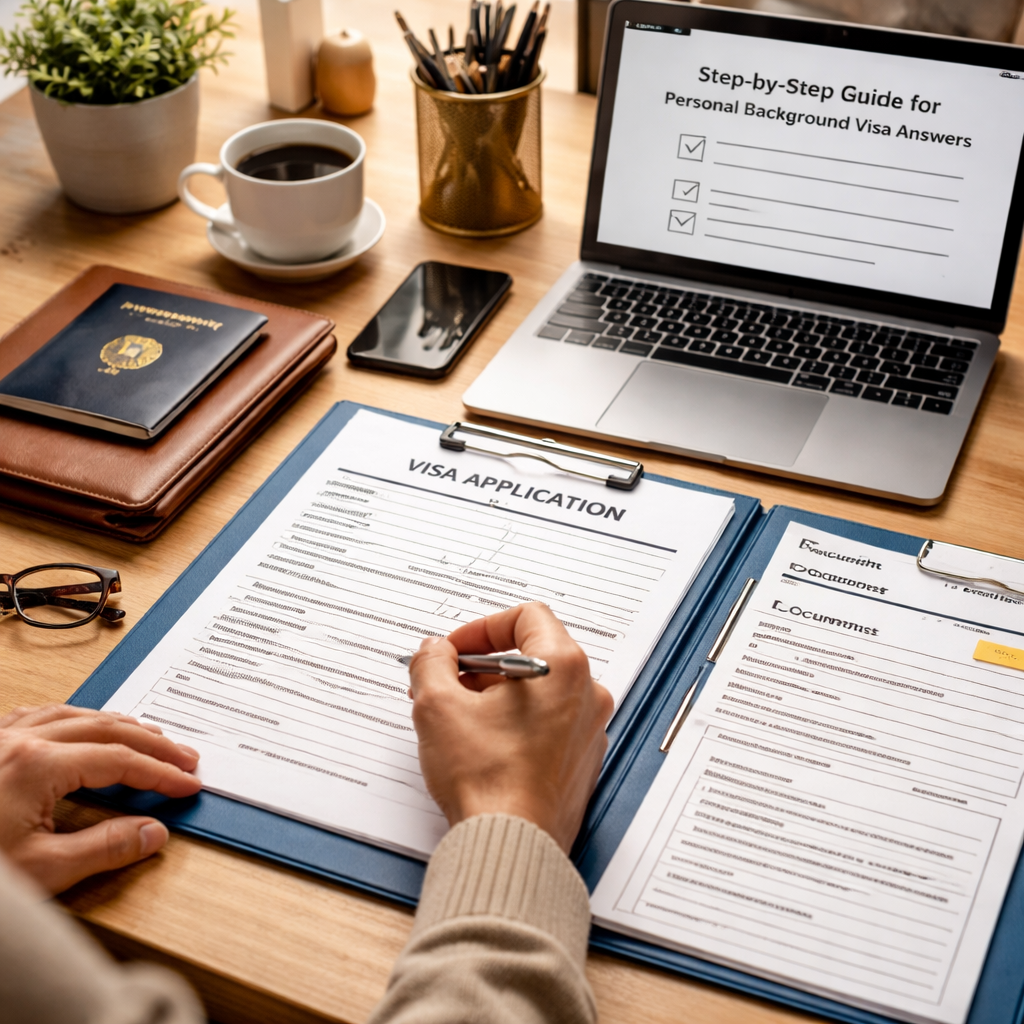
One more tip: bring an updated employment letter that matches the details you just said. The letter should state your role, salary, and exact leave dates. This ties your spoken answer to paper proof. If you want a quick final check before the interview, Visa Document Checker’s guided review can flag mismatched dates, job details, or leave periods across your supporting documents.
Video Walkthrough: Simulating a B1/B2 Visa Interview
Seeing a mock interview helps you feel the pace. Below is a short video that runs through a typical interview flow.
Watch the video once, then pause after each question. Try answering out loud using the script you wrote. Notice how the officer may ask a follow‑up. That’s why you need a flexible answer that still matches your written story.
After the video, write down any new question that popped up. Common follow‑ups include “Can you show me the invitation letter?” or “How will you fund your stay?” Add those to your prep list.
That same simulation shows a real‑time response to “Why do you want to go to the USA?” and demonstrates the dual‑track answer in action.
Tips for Handling Unexpected or Tricky Questions
Even if you prep the top ten questions, an officer can throw something odd to test you. The key is to stay calm and stick to facts.
When faced with a surprise, repeat the question in your own words. That buys you a second breath and shows you understand.
Example: Officer asks, “What would you do if your flight was canceled?” You could say, “I would check with the airline for the next available flight, keep my hotel informed, and make sure I return before my visa expires.” This answer shows you have a plan and respect the visa limits.
Another trick is to turn a weird question into a chance to repeat a strong tie. If asked, “Do you have any debts?” you can answer, “I have a mortgage on my house, which shows I own property and will return to manage it.”
Below is a quick tip list for tricky moments:
- Never guess. If you don’t know, say you’ll check the document later.
- Keep your tone friendly. A smile can ease tension.
- Stay on topic. Don’t wander into unrelated personal stories.
- Match your answer to any paperwork you have on hand.
- Remember the dual‑track rule for the purpose question.
Visaverge’s guide explains why officers love these “stress test” questions. Read more at Visaverge.com for stats on refusal rates and how to avoid them.
Here’s an image that captures the idea of staying calm under pressure.

Finally, practice a mock interview with a friend playing the officer. Record the session and watch it back. Spot any nervous habits, like fidgeting or long pauses, and fix them.
Frequently Asked Questions
What is the best way to answer “Why do you want to go to the USA?”
Use the dual‑track approach. Prepare a short tourist script that names the places you’ll see, and a business script that names the conference or meeting you’ll attend. Choose the one that matches your travel purpose and keep it under 30 seconds.
How much money should I show in my bank statements?
Show enough to cover flight, hotel, meals, and a safety margin. A common rule is at least three times the estimated trip cost. Include recent statements (last three months) that match the numbers you quote.
Do I need an invitation letter for a business trip?
Yes. An official invitation from the US company or conference organizer that states the event name, dates, and that they expect you to return home helps prove the purpose.
What if I have never traveled abroad before?
Be honest and say it’s your first trip. Emphasize that you have strong ties at home, a job, family, or property, and that you’ve prepared all the paperwork.
How should I talk about my family ties?
Briefly list the people who rely on you: spouse, children, elderly parents, or a mortgage. Mention any responsibilities that require you back home, like caring for a relative.
Can I bring a friend’s documents to support my case?
No. Only your own documents count. Bringing someone else’s papers can look like you’re trying to hide something.
What if the officer asks about a previous visa denial?
Answer truthfully. Explain what changed, a new job, stronger ties, or updated documents, and show the new evidence you’ve brought.
How long should I stay silent before answering?
Take a breath and count to two. This pause helps you gather thoughts and shows confidence.
Conclusion
Mastering b1 b2 visa interview questions isn’t about memorizing scripts. It’s about knowing the five core categories, preparing dual answers for purpose, and backing every claim with clear proof. Use the research table as your checklist, watch the video walk‑through, and practice with a friend. When you walk into the embassy, you’ll feel ready, not nervous.
If you want a digital checklist that catches missing papers before you book a flight, Visa Document Checker’s U.S. visa checklist can help you line up your interview answers with the documents behind them. Good luck, and safe travels!